Spoiler: It’s not glamorous. It’s gritty. It’s choosing yourself…every single day.
Self-sufficiency doesn’t always look like a diploma, a job offer, or a new set of keys. Sometimes, it’s pushing through the fear, shame, and doubt to show up for yourself, for your family, for your future.
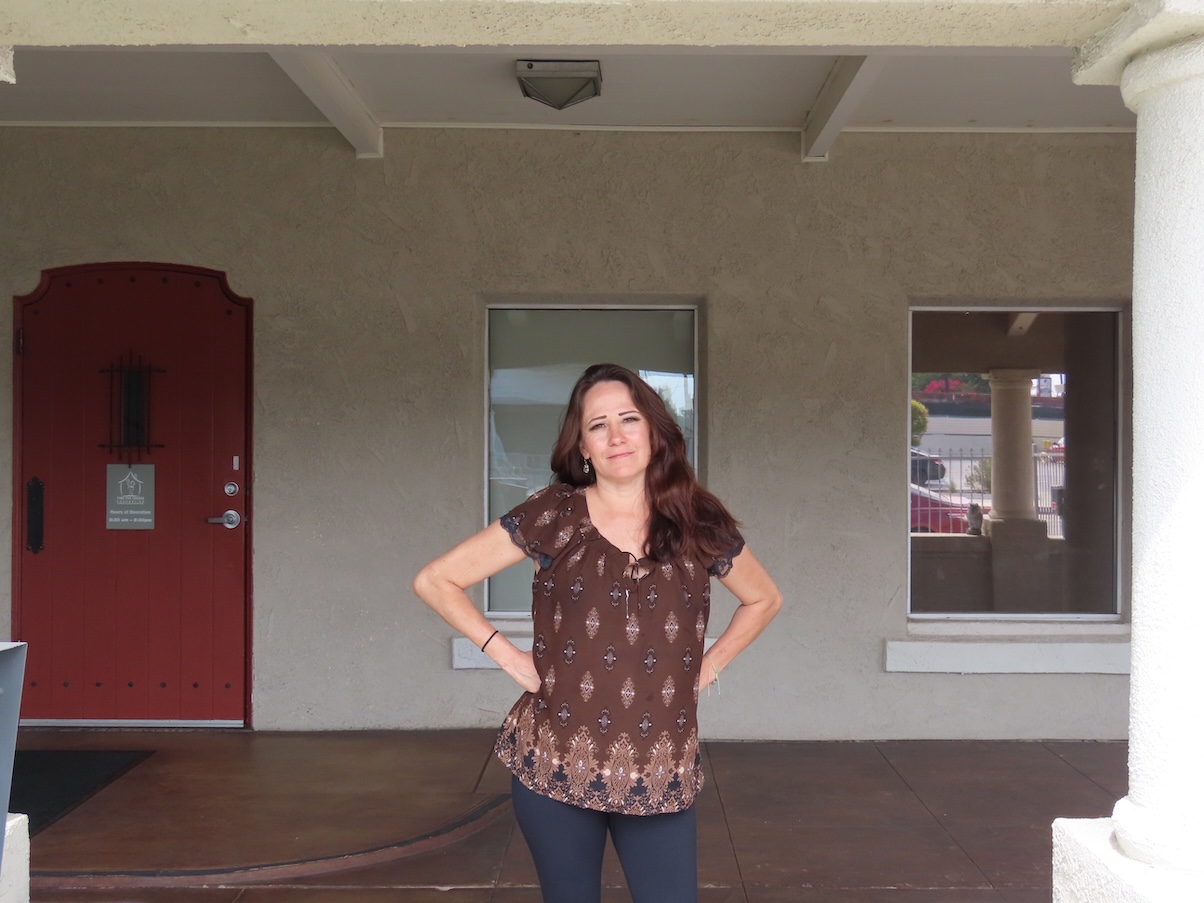
For Elisha, self-sufficiency is more than a goal. It’s a mindset. A quiet, powerful choice to keep going. It started the moment she saw herself in the mirror and said, “Enough.”
She was lost, caught in years of alcoholism, homelessness, and incarceration. Then, something shifted. She completed a residential recovery program and arrived at Time for Change Foundation ready to rebuild. Her journey is still unfolding, but here’s a glimpse into what it really looks like:
What made you finally say, ‘Enough’?
“When I saw myself in the mirror. I looked horrible—lost. My morals were distorted. I just didn’t want to live like that anymore. I think God opened my eyes. I finally accepted the help instead of fighting it.”
What does self-sufficiency mean to you right now?
“It means staying sober. It means going to meetings, finding a sponsor, learning life skills. I want to get my GED. I want to be able to cook dinner with my kids again one day.”
What’s been the hardest part so far?
“Figuring out who I am. I wore a mask for so many years, like nothing bothered me. But I’ve got a lot of hurt. I’m finally seeing a therapist and working on my mental health, too.”
How does Time for Change Foundation support your journey?
“They gave me a place to go after treatment when I had nowhere else. This program is teaching me life skills including how to use a computer. I’m grateful to be here.”
What does being self-sufficient mean to you?
“Being independent. My goals are to get my GED, get my license, get a job, and eventually become a drug and alcohol counselor or start a cleaning business. I love to clean. It’s therapeutic for me.”
What do you dream about for the future?
“ In one year, I want my license and my GED. I want to help people who are where I used to be. In five years? I just want to be present. I want my kids and I to be around a dinner table, cooking together. Right now I’m just taking it one day at a time.”
What keeps you going when things get hard?
“My motive to be a better woman in society and God. I’m grateful to be here. Time for Change Foundation gives me the structure I need to keep going.”
Elisha’s journey hasn’t been easy. After years of alcoholism, homelessness, and incarceration, Elisha made a different choice. She completed a residential recovery program and arrived at Time for Change Foundation looking for a real shot at transformation.
The road hasn’t been easy, but she keeps going.
Because for Elisha, self-sufficiency isn’t a buzzword. It’s showing up to a GED class she’s afraid to fail. It’s staying sober, not just for herself, but for her children. It’s choosing not to numb the pain. Choosing to try. Choosing to believe that she’s worth the fight. She hasn’t checked off every goal, but she wakes up with purpose. She shows up for herself and that is self-sufficiency.
The road to self-sufficiency isn’t linear, but it is possible with the right support system. Help us provide the tools, housing, and hope that make transformation real.